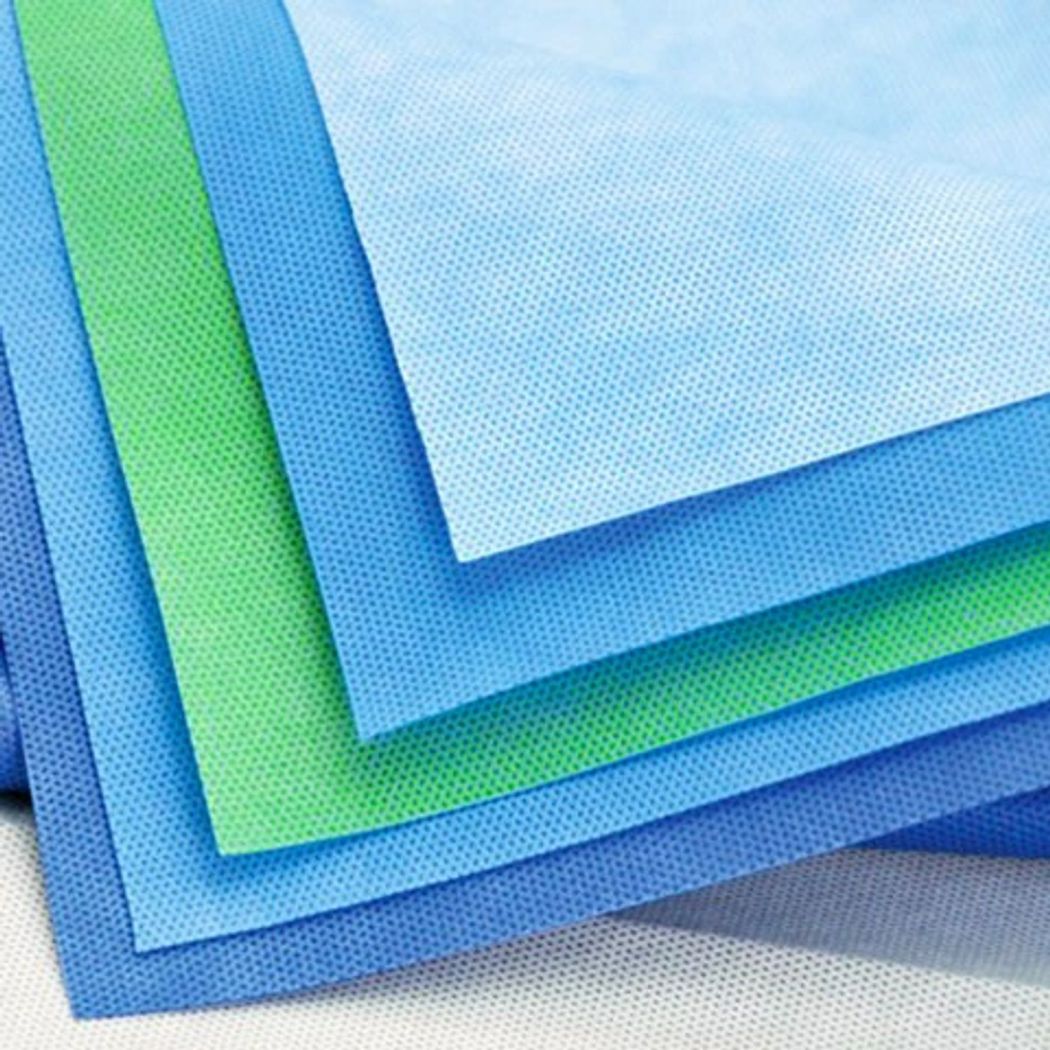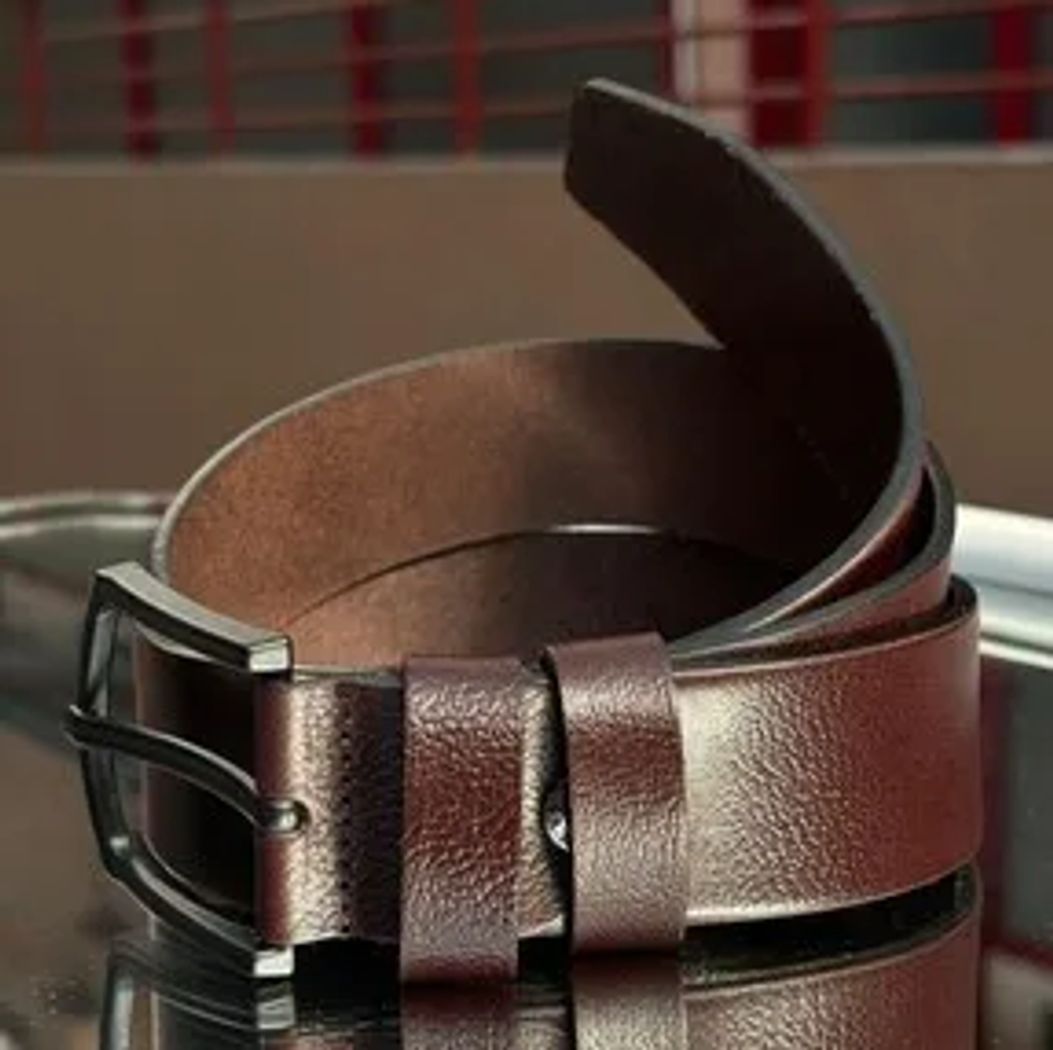
Artificial leather and industrial foam are two key items in our technical textile portfolio. In both, deciding from a price list alone is where the most expensive mistakes begin.
How is quality read in artificial leather?
- Abrasion resistance (Martindale): Furniture requires 30,000+ cycles; automotive specifications are higher.
- Tensile and seam strength: The quality of the woven/knitted backing is more decisive than the PU surface.
- Hydrolysis resistance: The test of surface peeling under humidity and heat; minimum 3 years for indoor, 5-7 years for automotive.
- Phenolic yellowing: In light colours, packaging-driven yellowing risk must be tested before lot approval.
Critical values in EVA and EPDM foam
- Density (kg/m³): The main price driver; two foams of equal thickness can be entirely different products.
- Hardness (Shore): Sets the comfort/durability balance of the application.
- Compression set: The value that determines lifetime in gasket and insulation applications.
- Closed-cell ratio: Never order without asking when the application must not absorb water.
No specification? No problem: describe your application, we will write the spec together — and speak to the manufacturer in your language.
The sourcing tip
In leather and foam, the same manufacturer often runs both a standard and an economy series. Knowing which series your sample came from is the only way to avoid surprises at delivery — it is a standard question in our screening.