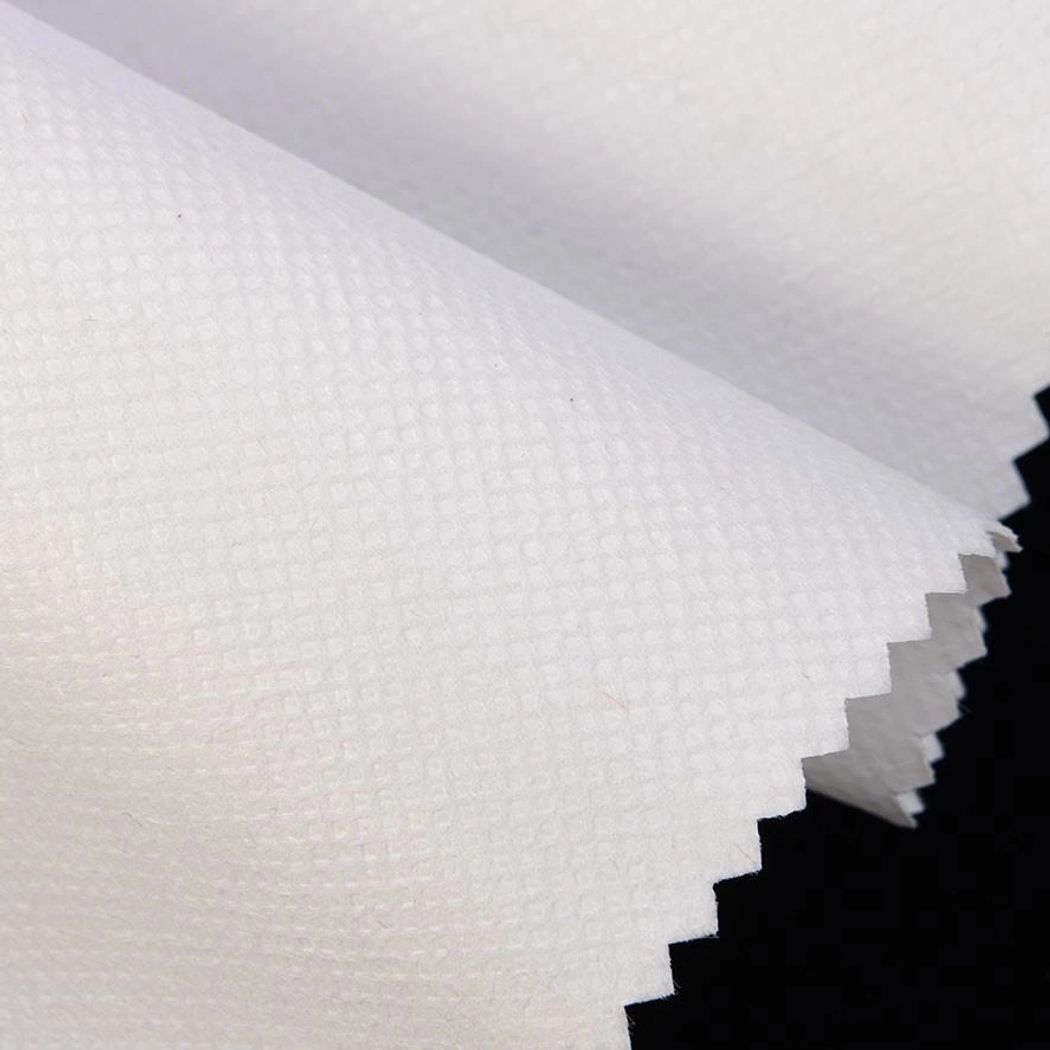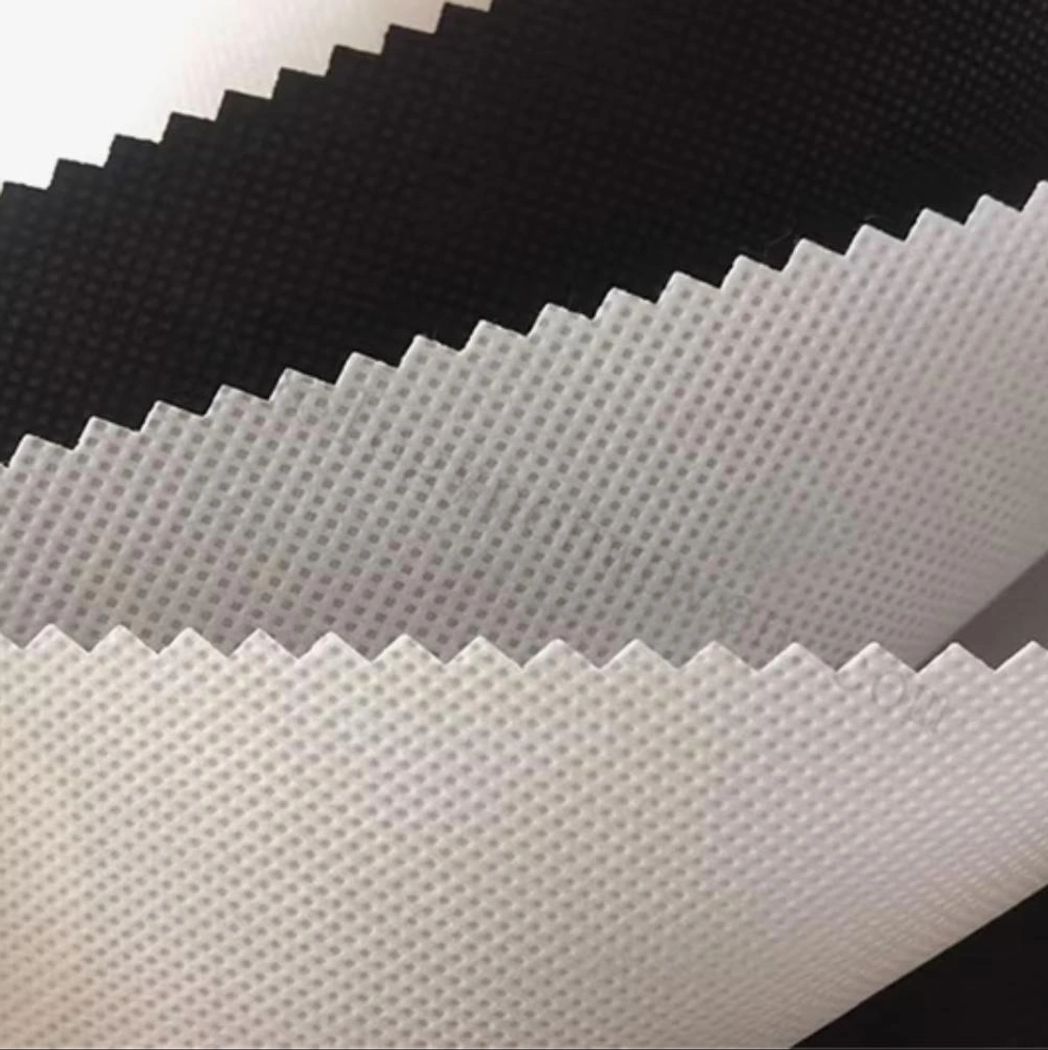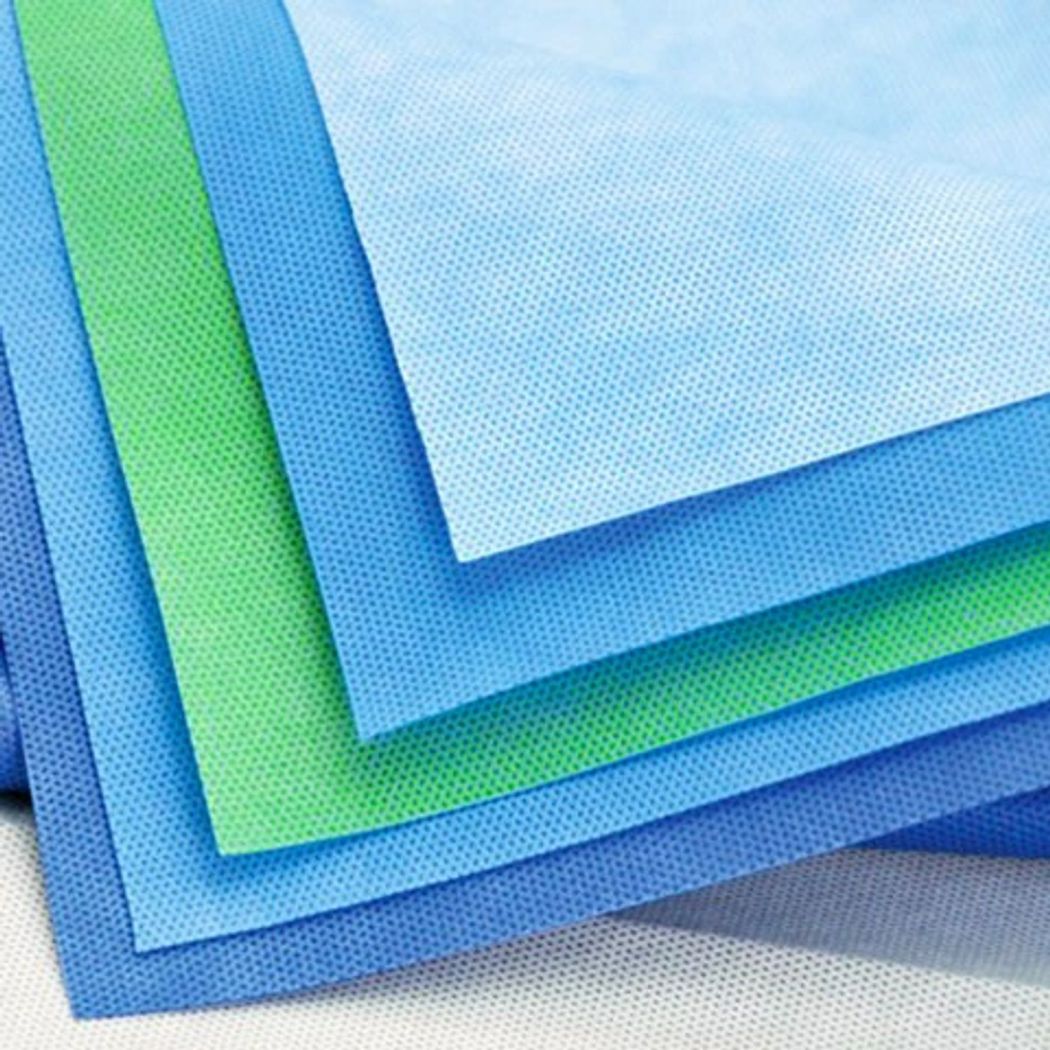
The question we hear most often in nonwoven purchasing is: "Should I buy spunbond or spunlace for this application?" Both technologies produce a nonwoven web, yet their production methods, mechanical properties and cost structures differ significantly.
The production difference
In the spunbond process, molten polypropylene is extruded through spinnerets; the continuous filaments are laid on a belt and thermally bonded between calender rolls. In spunlace (hydroentanglement), a staple-fibre web is mechanically entangled by high-pressure water jets — no chemical binder is used.
Mechanical properties and hand-feel
- Strength: At equal grammage, spunbond delivers higher tensile strength in the machine direction — an advantage in carrying and packaging applications.
- Softness and drape: Spunlace offers the most textile-like touch; it is the choice for skin-contact products.
- Absorbency: Viscose-blended spunlace reaches absorbency levels spunbond cannot.
- Linting: Spunbond, being continuous filament, does not lint; fibre-based spunlace may lint under abrasion.
Typical applications
Spunbond: hygiene backsheet, agricultural cover, furniture and bedding liner, packaging and bags. Spunlace: wet wipes, cosmetic pads, medical drapes and gowns, industrial wiping cloths.
The practical rule: if the product touches skin we start with spunlace, if it carries structure we start with spunbond; grammage and budget decide the rest.
Cost and sourcing note
Spunbond lines run at high capacity, so unit cost is lower. In spunlace, the fibre blend (viscose ratio) is the main price driver. At Radyan Group we match you with the right manufacturer for both products according to your target price and timeline, returning with samples and technical documentation.